5 Fixes: Circuit Breaker Keeps Tripping?
A circuit breaker keeps tripping when it detects an electrical problem, such as an overload, short circuit, ground fault, or failing appliance. One isolated trip may be a quick reset. Repeated trips, burning smells, buzzing, heat, sparks, or visible damage signal a dangerous condition that needs professional electrical troubleshooting.
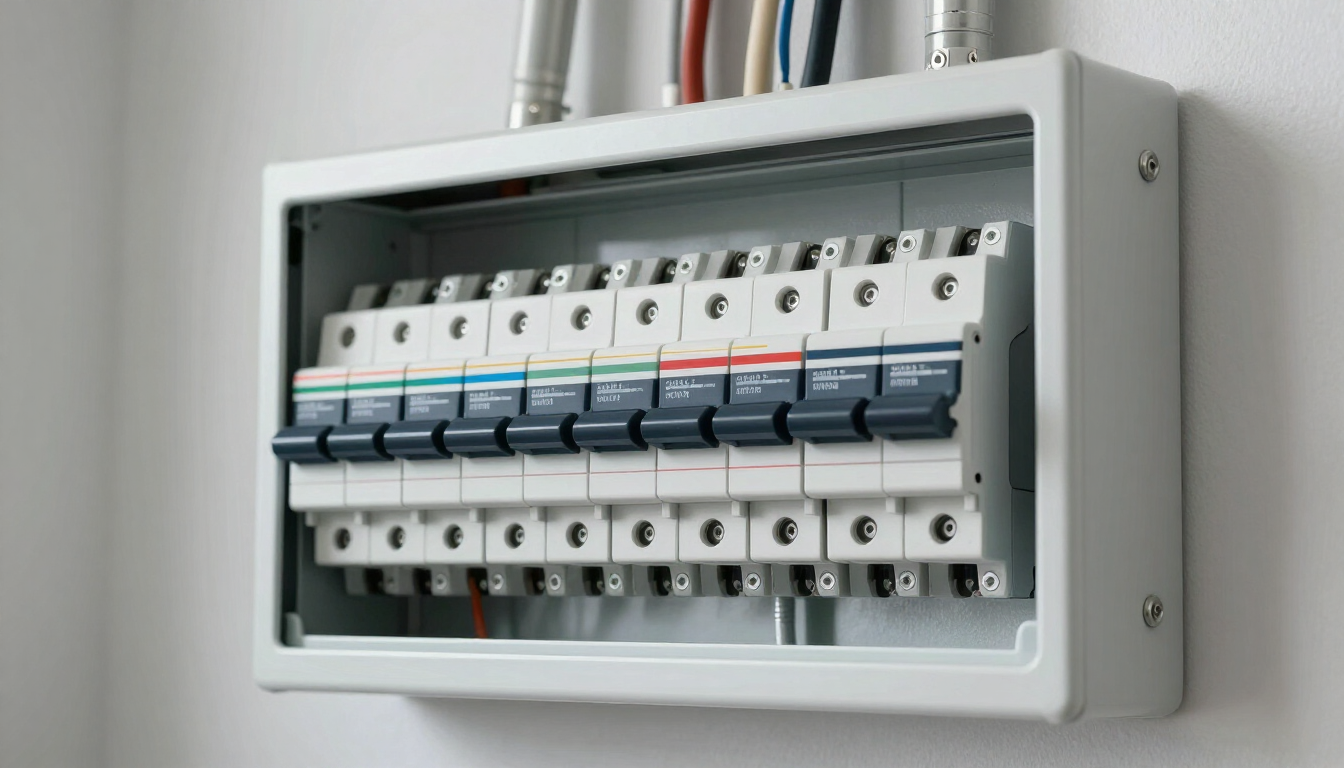
What should you do when a circuit breaker trips?
First, switch off or unplug the devices connected to that circuit. Then move the breaker fully to the OFF position before switching it back to ON . If power returns and the breaker stays on, monitor the circuit and avoid running several high-wattage appliances at once.
If it trips again immediately—or trips again after you reconnect one particular appliance—stop resetting it. A breaker is designed to interrupt power when wiring or equipment may be unsafe. Repeatedly forcing it back on can increase the risk of overheating, shock, or fire.
For general guidance, see Kashi Electrical Contractors’ Electrical Repairs & Troubleshooting services.
Is a tripped breaker ever a quick fix?
Sometimes. A single trip can happen because too many devices were operating on the same circuit. For example, a space heater, hair dryer, microwave, or portable air conditioner can draw substantial power. Reducing the load may solve the immediate problem.
A safe first check is to:
- Turn off and unplug appliances on the affected circuit.
- Reset the breaker once, firmly and completely.
- Reconnect devices one at a time.
- Stop if the breaker trips when a particular device is connected.
- Call an electrician if the circuit trips with little or no load.
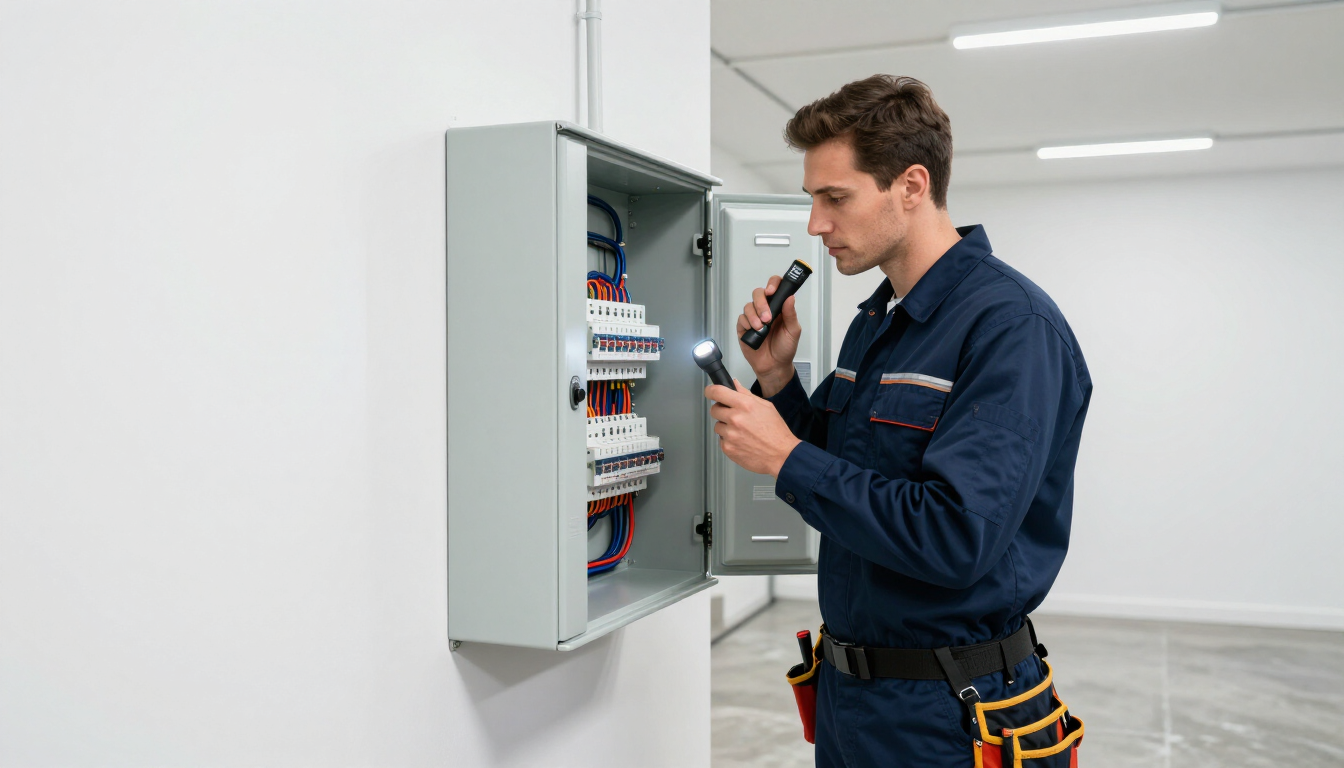
Do not remove the electrical panel cover or handle exposed wiring. Even when the main breaker is off, portions of a panel can remain energized.
Why does a circuit breaker keep tripping?
The cause may be simple, but it is not always obvious. Common possibilities include:
- Circuit overload: Too many appliances are drawing power from one circuit.
- Short circuit: A hot wire is contacting another wire or a grounded surface.
- Ground fault: Electricity is taking an unintended path to ground, often near moisture.
- Faulty appliance: An internal defect causes a device to draw excessive current.
- Damaged wiring: Loose connections, aging insulation, pests, or renovation damage can create unsafe conditions.
- Weak or failing breaker: The breaker itself may no longer operate correctly.
The right solution depends on testing rather than guesswork. An electrician may inspect connections, test voltage, identify the circuit route, evaluate the breaker, and use specialized diagnostic equipment when a fault is difficult to locate.
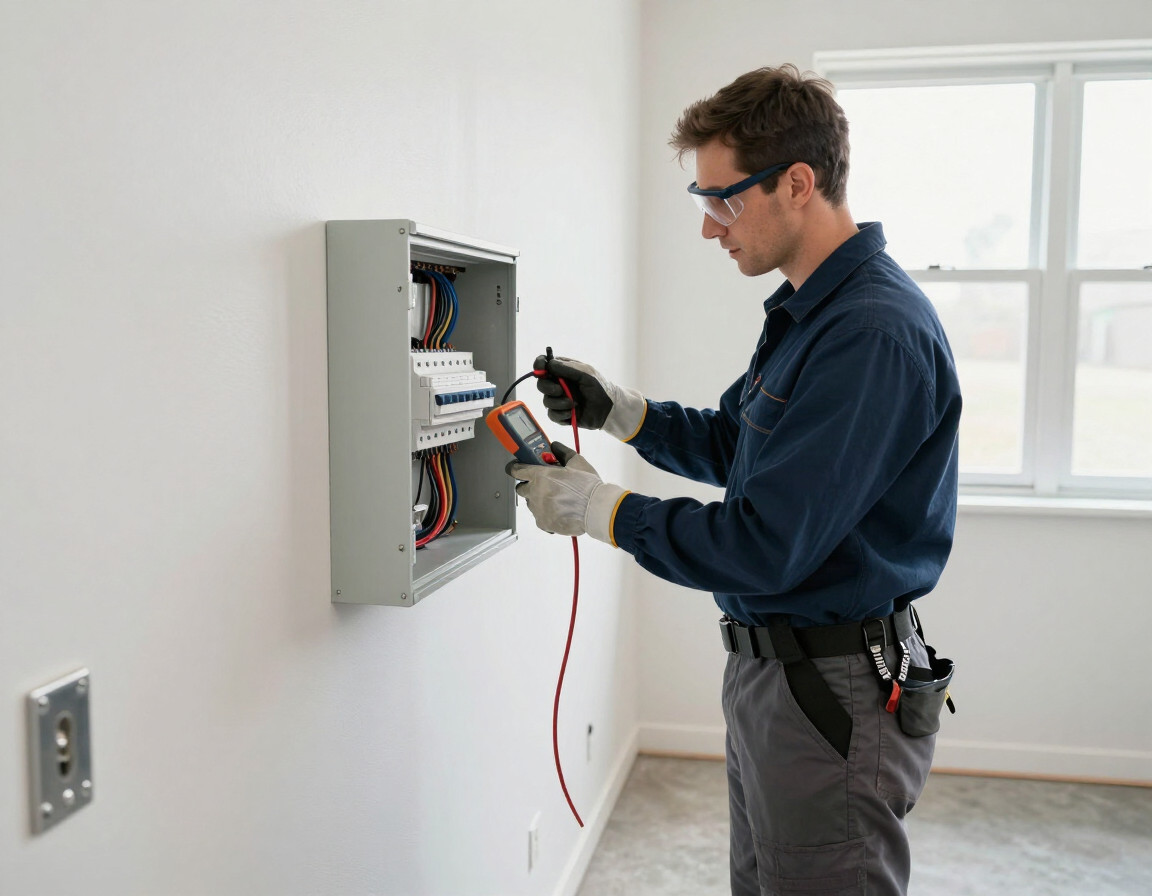
When is a tripping breaker dangerous?
Treat the situation as urgent when you notice any warning sign of heat, arcing, or damaged equipment. Turn off the affected circuit if you can do so safely, keep people away from the area, and contact a qualified electrician.
Danger signs include:
- Burning, melted-plastic, or smoky odors
- Buzzing, crackling, sizzling, or popping sounds
- A panel, breaker, outlet, or switch that feels hot
- Sparks, visible scorch marks, or discoloration
- Repeated trips with no clear appliance causing the issue
- Flickering lights or power that cuts in and out
- Water near an outlet, panel, appliance, or electrical device
- A shock or tingling sensation when touching equipment
If there is active smoke, fire, or an immediate threat, leave the home and call emergency services. Do not pour water on an electrical fire.
Can you reset a breaker that keeps tripping?
You can usually attempt one reset after turning off and unplugging equipment. However, a breaker that trips again should not be reset repeatedly. The trip is useful information: it means the protective device is detecting a condition that requires attention.
Avoid replacing a breaker with one rated for more amperage. A larger breaker may allow wiring to carry more current than it was designed to handle, creating a serious fire hazard. Likewise, do not install extension cords as a permanent solution or bypass a breaker with makeshift repairs.
If the home needs additional capacity, a professional may recommend a dedicated circuit, wiring repair, or an Electrical Panel & Service Upgrade .
Quick checks homeowners can make safely
Before scheduling service, you can gather useful information without opening the panel or touching wiring:
- Note which rooms, outlets, lights, and appliances lose power.
- Check whether the trip happens at startup, during use, or randomly.
- Identify what was running when the problem began.
- Look for damaged appliance cords, warm outlets, or unusual odors.
- Check whether a nearby GFCI outlet has tripped and needs a reset.
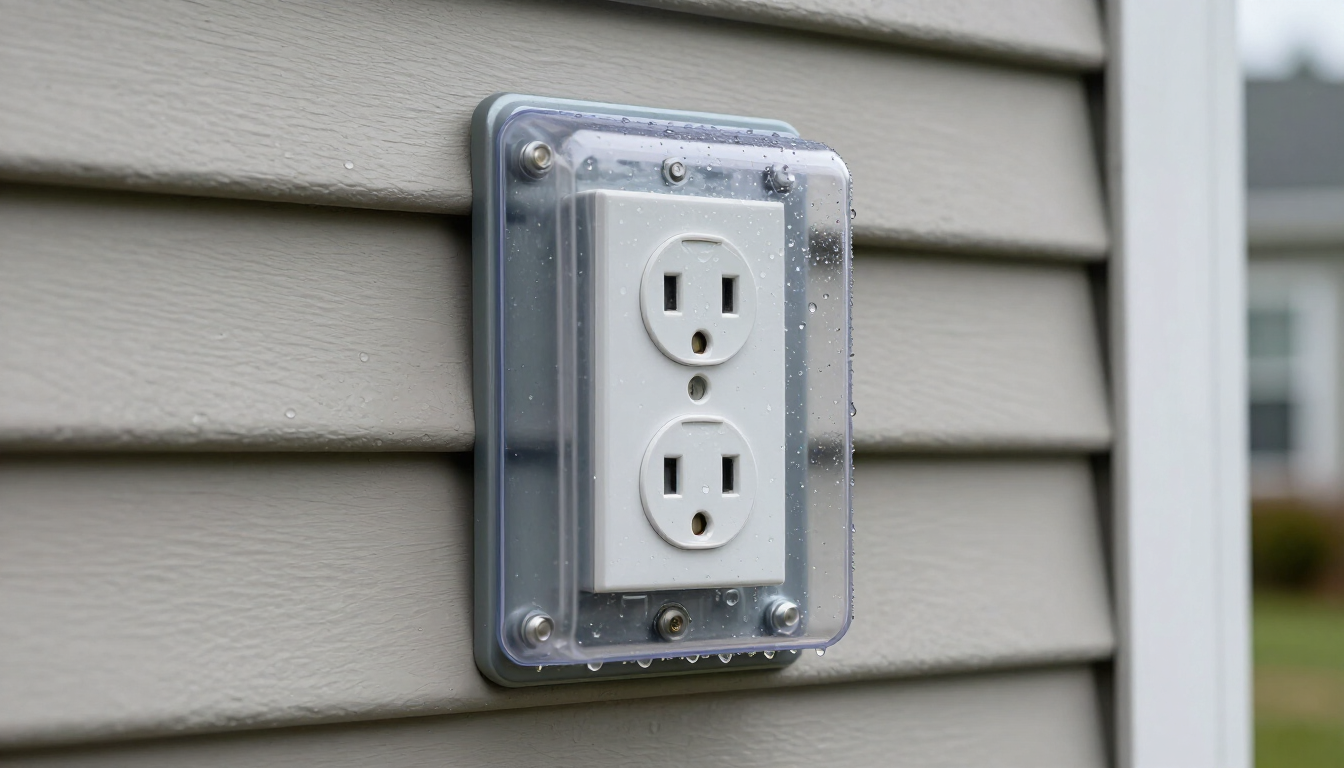
A GFCI outlet may protect several downstream outlets, including devices in kitchens, bathrooms, garages, basements, and outdoor areas. If the GFCI will not reset—or trips repeatedly—there may be a wiring, moisture, or equipment problem that needs testing.
Do not use an outlet that is loose, cracked, wet, discolored, or hot. Do not continue operating an appliance that repeatedly causes a trip.
How does an electrician diagnose repeated breaker trips?
A professional diagnosis starts with the symptoms and the affected circuit. The electrician may:
- Identify everything supplied by the circuit.
- Test the breaker and circuit voltage.
- Inspect accessible outlets, switches, fixtures, and connections.
- Check for overloaded circuits or improperly shared loads.
- Test appliances and disconnect them as needed.
- Trace hidden or underground wiring when the fault is not visible.
- Repair damaged wiring, replace defective components, or recommend a dedicated circuit.
Some problems require more than a visual inspection. Infrared testing can help identify abnormal heat, while insulation-resistance testing can reveal deterioration that ordinary checks may miss. These specialty methods are especially useful for intermittent or hard-to-trace electrical faults.
A complete Specialty Electrical Services evaluation may be appropriate when a breaker trips without a predictable pattern.
Should you call an electrician or replace the appliance?
Call an electrician when the breaker trips with multiple devices, trips immediately after reset, or trips even when the circuit appears unloaded. Professional help is also appropriate for older panels, recurring flickering, warm outlets, suspected moisture, or any sign of damaged wiring.
An appliance may be the likely cause when the breaker trips only while that device operates and other equipment works normally. Even then, stop using the appliance until it has been inspected or repaired. A faulty appliance can damage an otherwise healthy circuit.
An electrician can help distinguish an appliance problem from a circuit problem safely, so you do not spend money replacing equipment unnecessarily.
Preventing repeated electrical trips
You can reduce avoidable overloads by spreading high-demand devices across appropriate circuits and avoiding simultaneous use of multiple heating appliances. Keep cords and outlets dry, replace damaged cords, and never use power strips as a substitute for permanent wiring.
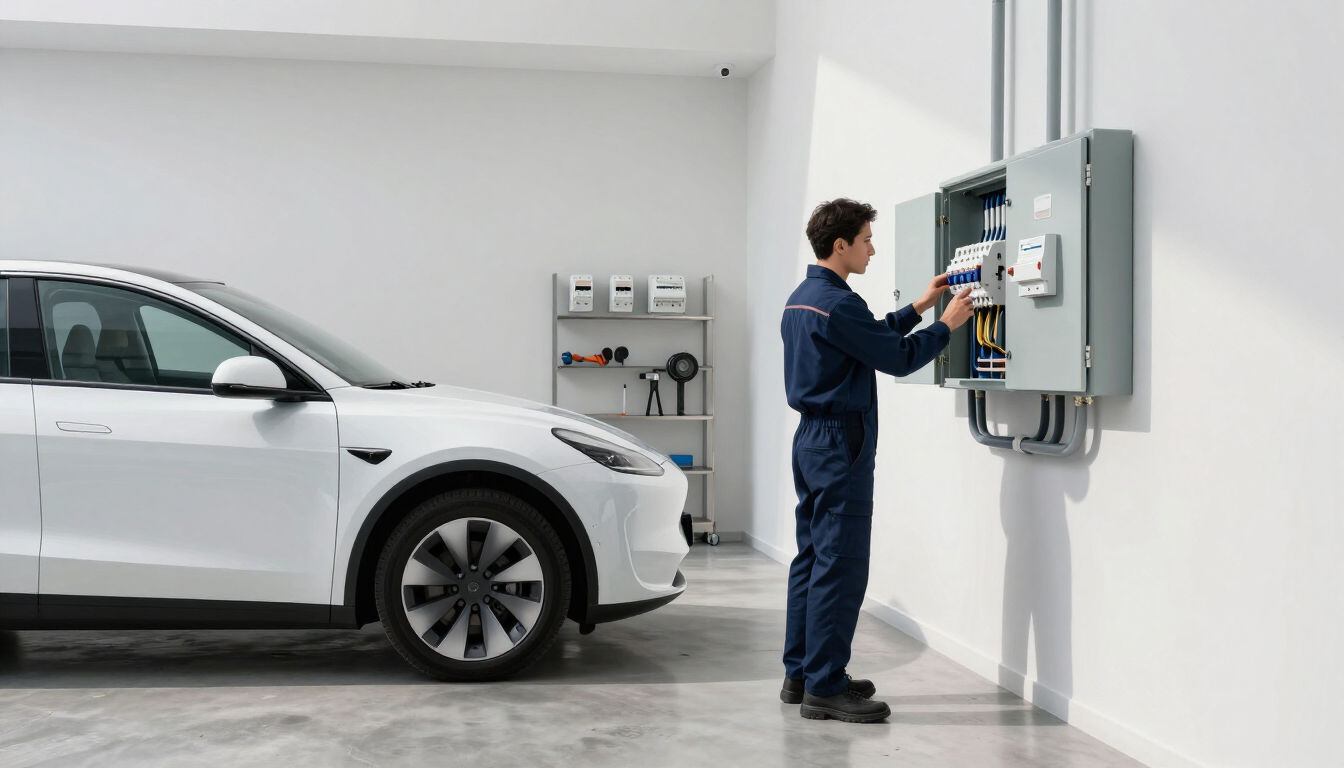
If you are adding an EV charger, generator, electric heat, a remodel, or major kitchen equipment, plan the electrical load before installation. New equipment may need dedicated circuits or a service evaluation. Kashi’s EV Charger Installation , Generator Installation & Maintenance , and Electrical Remodeling & Renovations services can help match new loads to the home’s electrical system.
Frequently asked questions
Is it normal for a breaker to trip once?
An occasional trip can result from a temporary overload, but it should not become a pattern. Identify what was operating and monitor the circuit. Repeated trips deserve professional evaluation.
Why does the breaker trip when nothing is plugged in?
Possible causes include fixed lighting, a hardwired appliance, damaged wiring, moisture, a ground fault, or a defective breaker. Testing is needed to identify the source.
Can a bad outlet trip a breaker?
Yes. A damaged, loose, wet, or incorrectly wired outlet can create a short or ground fault. Stop using the outlet and arrange an inspection.
Does a stronger breaker solve the problem?
No. Installing a higher-rated breaker without confirming the wire size and circuit design can create dangerous overheating. The circuit must be evaluated as a complete system.
The bottom line
When a circuit breaker keeps tripping, reset it only once after unplugging devices and reducing the load. A single overload may be easy to correct, but repeated trips, heat, smells, sounds, sparks, moisture, or visible damage indicate a problem that should not be ignored. Stop using the affected circuit and contact a qualified electrician for testing. If you are planning new high-demand equipment or a renovation, have the home’s capacity reviewed first. The safest next step is to document what happens, avoid repeated resets, and schedule professional electrical troubleshooting when the cause is not immediately clear.
Recent Posts