How to Check a 100-Amp Panel for an EV Charger
A 100-amp panel may support a new EV charger, but it depends on your home’s total electrical load, charger amperage, and available breaker space. A licensed electrician must perform a load calculation—not simply inspect the panel rating—to determine whether charging is safe without overloading the service.
What Does a 100-Amp Panel Mean?
A 100-amp electrical panel can deliver up to 100 amps of service to your home at one time. That capacity is shared by every electrical load, including lighting, kitchen appliances, heating equipment, water heaters, air conditioning, and an EV charger.
An EV charger does not operate independently from the rest of the house. A Level 2 charger may draw 30 to 50 amps continuously, which can represent a substantial portion of a 100-amp service.
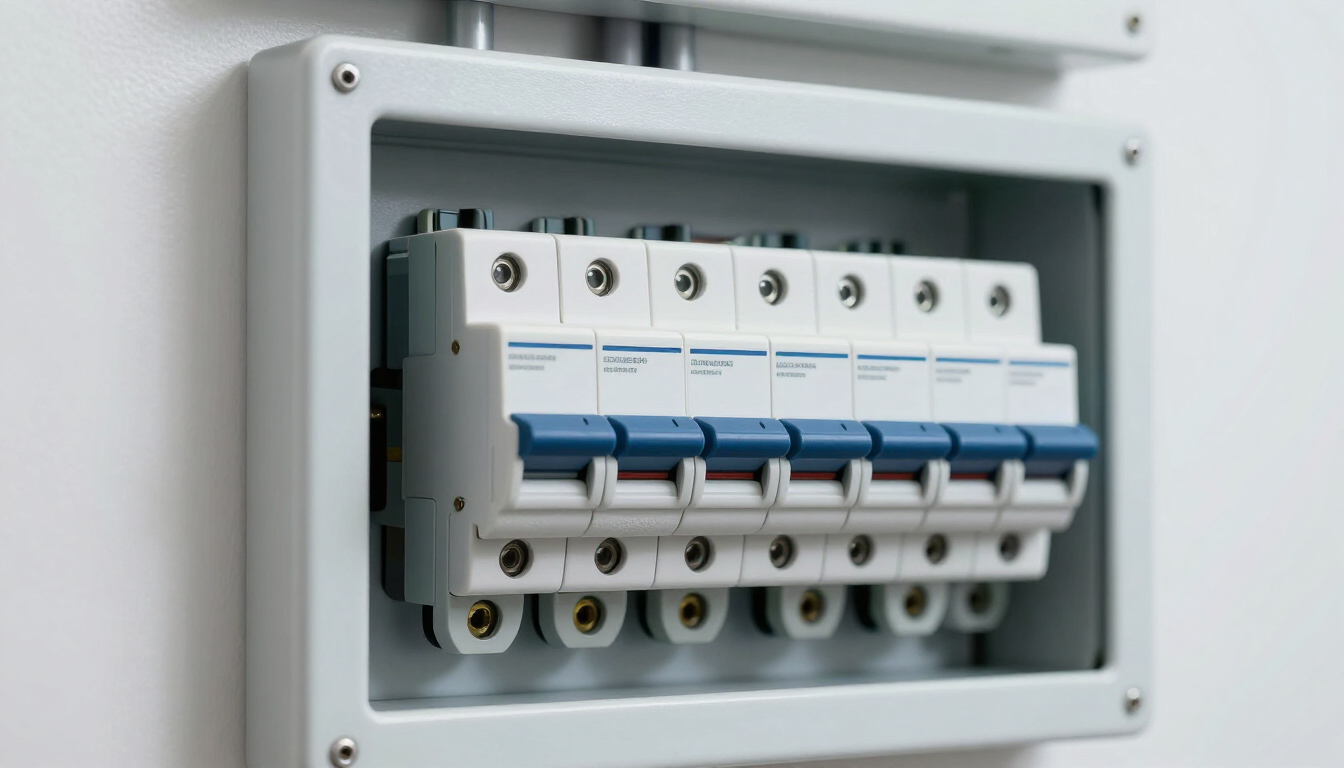
The panel’s age, condition, breaker spaces, wiring, and service entrance also matter. A panel with open spaces is not automatically capable of handling a large new circuit.
Can a 100-Amp Panel Run an EV Charger?
Sometimes. A 100-amp panel and EV charger can work together when the home has enough spare capacity after existing loads are calculated. The answer depends on several factors:
- The EV charger’s maximum continuous amperage
- Your home’s heating, cooling, cooking, and water-heating systems
- Whether the home uses electric heat or a heat pump
- The condition and capacity of the service equipment
- The charger’s settings and available load-management features
A smaller Level 2 charger set to 24 or 32 amps may be practical in some homes. A 48-amp charger, however, typically requires a 60-amp circuit and may leave too little capacity for other household equipment.
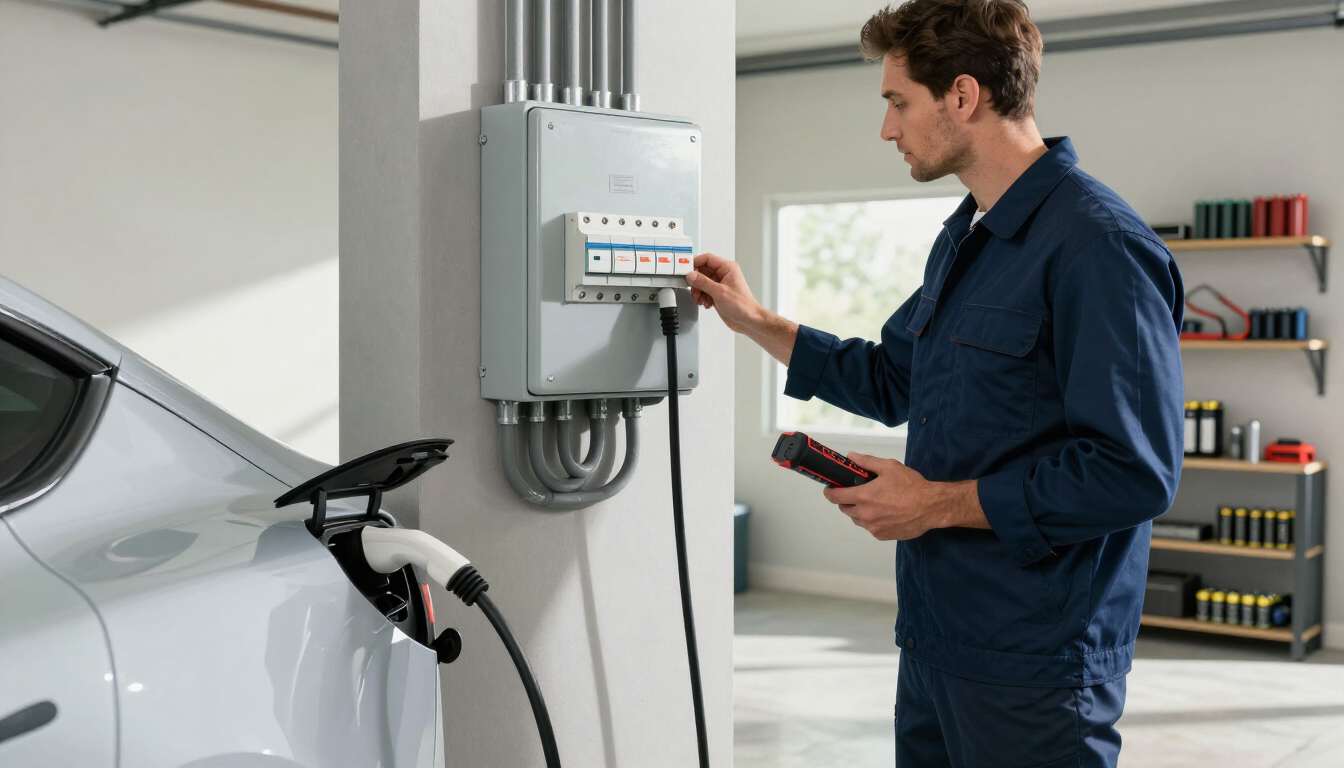
How Is EV Charger Capacity Calculated?
An electrician uses a load calculation to estimate the home’s expected electrical demand. This calculation considers both existing equipment and the proposed EV charging circuit.
A simplified example can help explain the issue. If a home’s calculated demand is already close to 100 amps, adding a charger that draws 40 or 48 amps continuously may exceed the available service capacity. If the calculated demand is substantially lower, the installation may be possible without replacing the panel.
EV charging is treated as a continuous load because it can run for several hours. The circuit and overcurrent protection must be sized accordingly. The charger’s nameplate rating—not only the vehicle’s battery size—determines the electrical requirement.
For an accurate evaluation, review our EV Charger Installation service and Electrical Panel & Service Upgrades options.
Warning Signs Your Panel May Need an Upgrade
A 100-amp panel deserves closer attention before an EV charger is installed if you notice:
- Frequent breaker trips or flickering lights
- Warm, buzzing, discolored, or damaged breakers
- No room for a properly sized two-pole breaker
- An older fuse box or outdated panel design
- Electric baseboard heat, a hot tub, electric range, or central air
- A service entrance or meter equipment that needs repair
These signs do not prove that an upgrade is required, but they indicate that the system should be inspected before adding a high-demand circuit. Visit Electrical Repairs & Troubleshooting if your home already has power problems.
What Are Your EV Charger Options?
Install a Lower-Amperage Charger
Some chargers allow the installer to configure a lower output. Reducing charging speed can make the electrical demand more manageable while still providing convenient overnight charging.
This option may suit drivers with shorter commutes or vehicles that remain parked for many hours. The charger must still have a properly sized dedicated circuit, and its settings should be secured so the system cannot be changed beyond the circuit’s rating.
Use Managed or Scheduled Charging
Smart charging can help limit when the vehicle draws power. For example, charging may be scheduled during periods when major appliances are less likely to operate.
Scheduling alone does not replace a load calculation. It can reduce coinciding demand, but the installation must still comply with applicable electrical requirements and the equipment manufacturer’s instructions.
Upgrade the Electrical Service
A service upgrade may be the best long-term solution when the home has limited capacity or several electric appliances. The project may include a new panel, larger service conductors, utility coordination, and updated breakers.
An upgrade can also create room for future needs such as a heat pump, electric range, workshop equipment, or solar-related equipment. It should be planned around your home’s expected electrical use—not only the immediate charger installation.
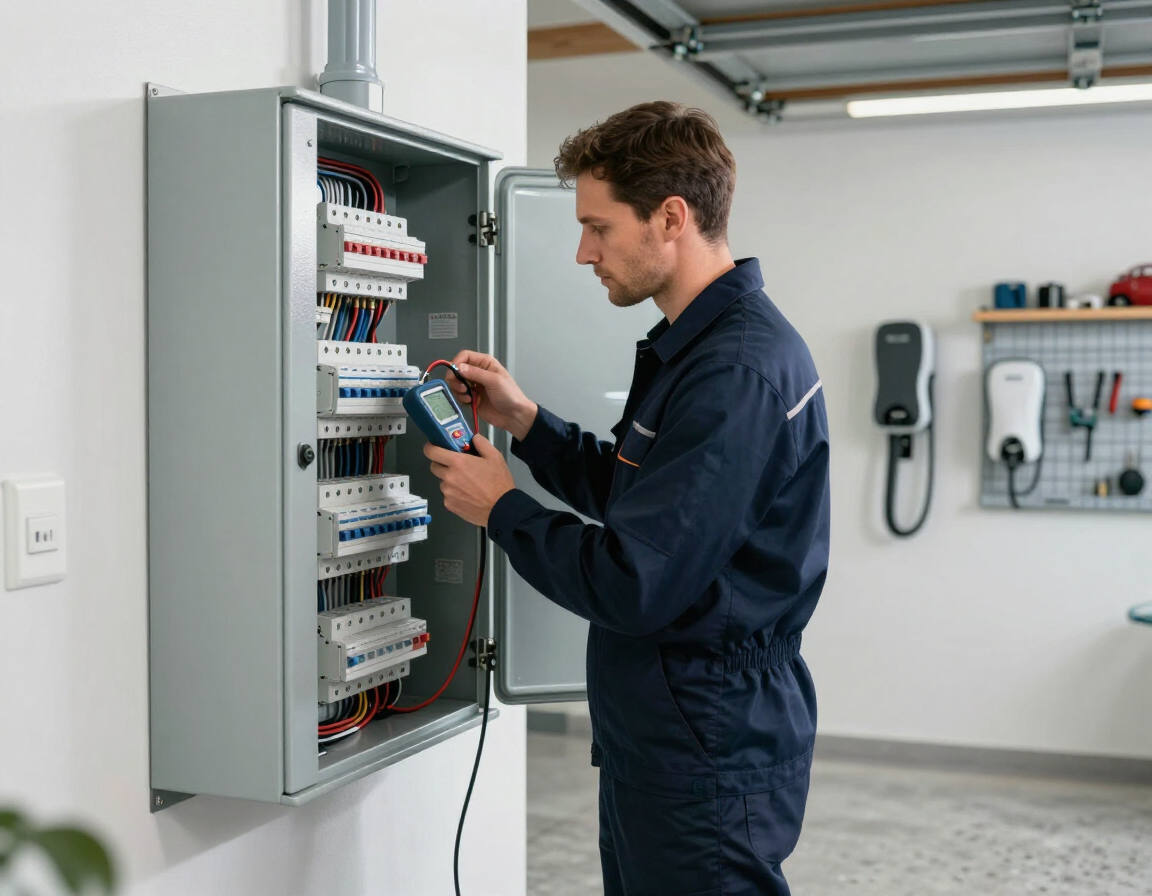
Consider Load Management Equipment
Some systems monitor household demand and automatically adjust EV charging to stay within a service limit. This can be useful when a full service upgrade is impractical, but compatibility must be confirmed.
Load management is not appropriate for every property. The electrician should evaluate the service, charger, monitoring equipment, and other major loads together.
What Should an Electrician Inspect Before Installation?
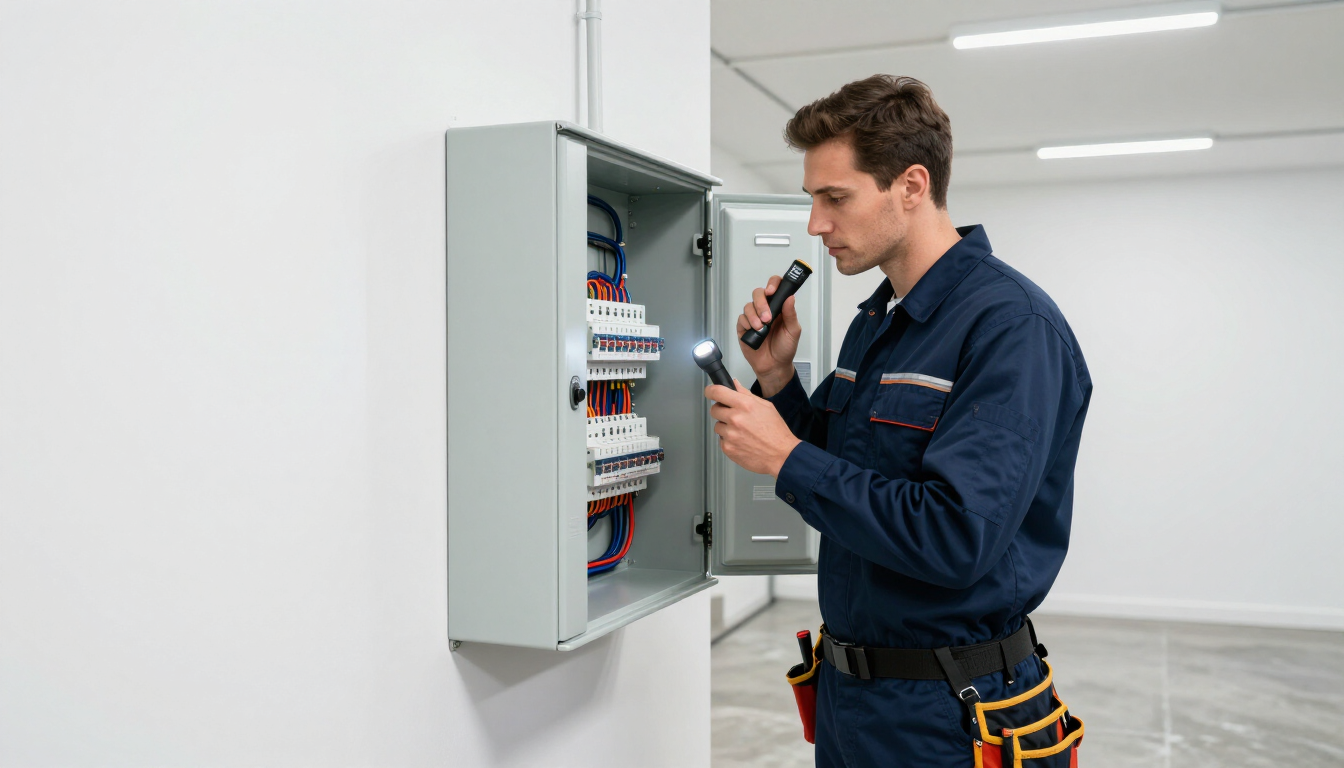
A professional evaluation should include:
- Service rating: Confirm whether the home has a 100-amp service and inspect the meter, service conductors, and disconnecting means.
- Panel condition: Look for corrosion, overheating, obsolete equipment, loose connections, and available breaker space.
- Existing load: Account for HVAC systems, electric heat, appliances, pumps, and other significant loads.
- Charger requirements: Verify voltage, amperage, circuit size, disconnect needs, and manufacturer instructions.
- Cable route: Plan a safe path from the panel to the garage or outdoor charging location.
- Permits and inspection: Confirm local requirements and arrange the required inspection process.
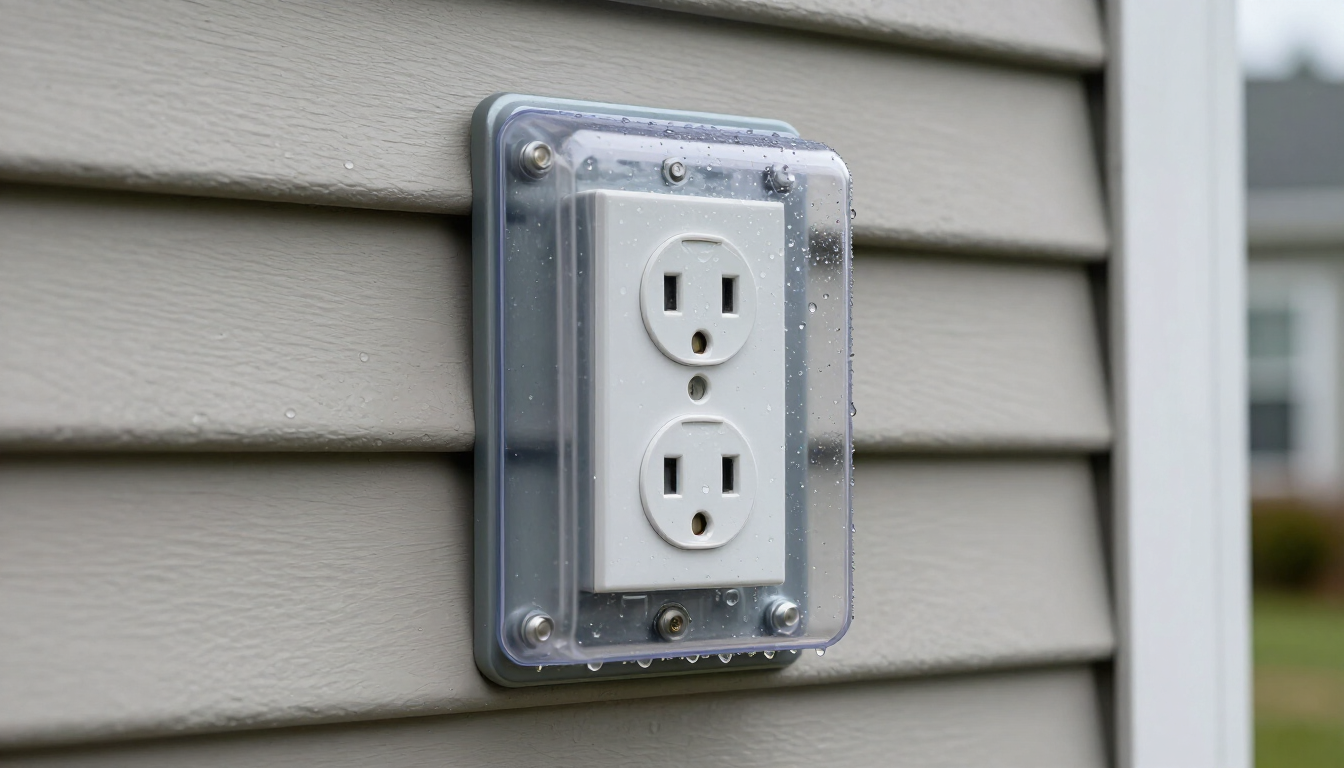
The installation location also matters. Outdoor chargers need equipment rated for the environment, appropriate protection, and a durable connection method. A detached garage may require a different wiring approach than an attached garage.
Why DIY EV Charger Wiring Is Risky
Installing a high-amperage EV circuit is not the same as plugging in a household appliance. Incorrect breaker sizing, conductor selection, grounding, or termination can create shock, fire, equipment-damage, and insurance risks.
Do not rely on an empty breaker space, a previous owner’s wiring, or a charger’s marketing label to determine compatibility. Have a qualified electrician inspect the system and complete the work according to current requirements.
For broader renovation planning, see Electrical Remodeling & Renovations . You can also review Reviews before choosing a contractor.
Frequently Asked Questions
Is a 100-amp panel always too small for an EV charger?
No. A 100-amp panel may support a lower-amperage charger when a load calculation shows enough capacity. The panel rating alone cannot determine compatibility.
What charger size is best for a 100-amp service?
There is no universal best size. A charger configured for 24 or 32 amps may be easier to accommodate than a 48-amp model, but the correct choice depends on the home’s calculated demand and the vehicle’s needs.
Does an EV charger need its own breaker?
Yes. A Level 2 EV charger generally requires a dedicated circuit with correctly sized conductors, overcurrent protection, grounding, and any required disconnect or protection equipment.
Should I upgrade to 200 amps before buying an EV?
Not necessarily. First obtain a professional load calculation. If your home already has high electrical demand or you plan to add electric appliances, a service upgrade may provide better long-term capacity.
Key Takeaway
A 100-amp panel can sometimes support an EV charger, but safe installation depends on the home’s actual electrical demand—not the panel rating by itself. Have an electrician inspect the service, calculate existing and proposed loads, and verify the charger’s circuit requirements. If capacity is limited, compare a lower-amperage charger, managed charging, or a service upgrade. The right next step is a professional evaluation before purchasing equipment or scheduling installation, especially if your home has electric heat, a hot tub, central air, or other major loads.
Recent Posts